DIY Composting 101: A Step-by-Step Guide to Starting Your Own Compost
April 22, 2024
DIY Composting 101: A Step-by-Step Guide to Starting Your Own Compost
Composting is not just for experts or large-scale operations. In fact, it’s an accessible and rewarding practice for anyone, especially for those who love to DIY. In this guide, we’ll walk you through the process of starting your own compost, from understanding the basics to harvesting nutrient-rich soil for your garden.
Understanding Composting: Compost is nature’s way of recycling organic matter into nutrient-rich soil. By understanding the composting process and its key components—browns, greens, air, and water—you’ll be well on your way to creating your own compost.
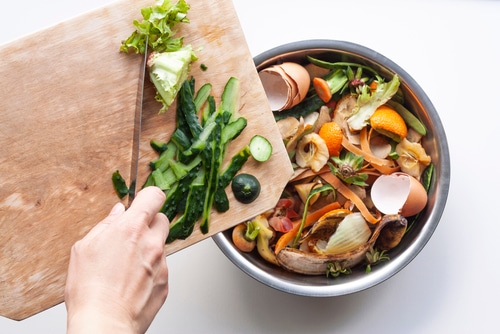
Choosing a Composting Method: Whether you have a backyard or a balcony, there’s a composting method that’s right for you. We can help you select the most suitable method based on your space, time, and materials available.
Selecting a Location: The location of your compost pile or bin plays a crucial role in its success. Consider factors like sunlight exposure, drainage, and convenience. The best location for a compost bin is typically somewhere that has a balance of sunlight and shade, with easy access, and away from strong winds. It should also be close enough to your kitchen so it is easy to bring scraps to – but not so close that you can smell odors. Some cities and counties even have composting as a part of their local farmers’ markets or composting programs – be sure to research this as well.
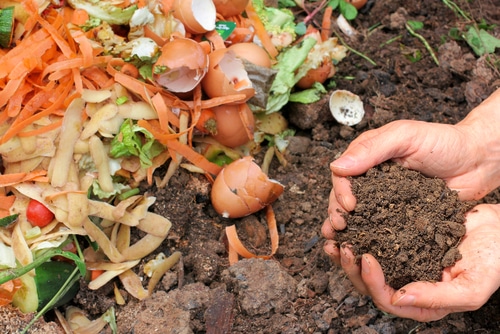
Gathering Materials: You don’t need fancy equipment to start composting—many materials can be found right in your home or neighborhood. You can freeze scraps and bring them to a local composting drop off, or simply use a bucket with a lid, that you can use to transport the scraps to either a pile or bin in your yard.
Building Your Compost Pile or Bin: There are many bins available online, or you can build a space in your yard that can be a compost pile. Do research to determine which is best for you and your yard. If you are building your own pile, be sure to consider the following: layering organic materials such as kitchen scraps, yard waste and brown materials like leaves or straw. Aim for a balance of green and brown materials. Be sure to keep the composting pile moist but not soggy and turn it occasionally to aerate it.
Maintaining Your Compost: Composting requires regular maintenance to ensure proper decomposition and avoid common issues like odor or pests. Be sure to do research on best practices based on the type of composting you are going to do.
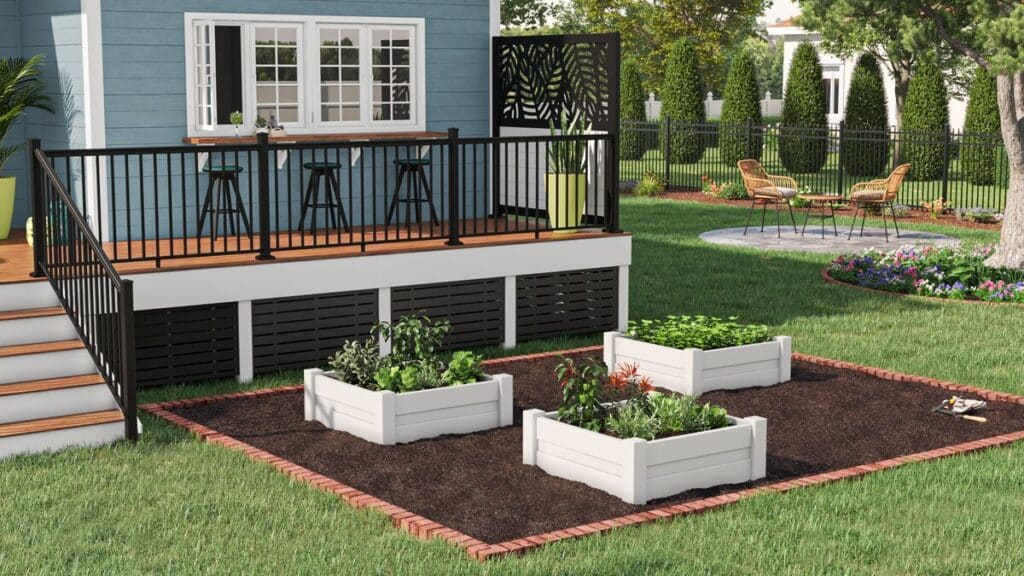
Harvesting and Using Compost: When your compost is ready to be used, it will feel slightly moist and be mostly brown. The process of breaking down kitchen scraps can take weeks to months, so you may consider having two separate piles. When your nutrient-rich compost is ready to be used, simply mix with your garden soil. Adding compost to garden beds – like these Vinyl Garden Beds from Freedom Outdoor Living – is an deal way to ensure healthy greens and flowers! Starting your own compost is not only beneficial for your garden but also for the environment. We encourage you to take the first step and start composting today. By embracing sustainable practices, you can make a positive impact on the world around you. Happy composting!